Thoughts on technology that delivers results, from performance and tracking to clean architecture.
A slow website costs visibility, trust and revenue. This article explains the real causes, how to diagnose the problem, what speed means for ranking and conversion, and when a rebuild beats endless patching.
Consent Mode v2 has been a requirement for many Google Ads campaigns in the EEA since 2024. This guide explains how to respect consent and still keep usable data.
Tracking without proper consent is a risk, switching everything off blindly costs you data. This guide explains what a compliant consent banner needs, what Consent Mode and server-side tracking change, and where the line runs between engineering and legal advice.
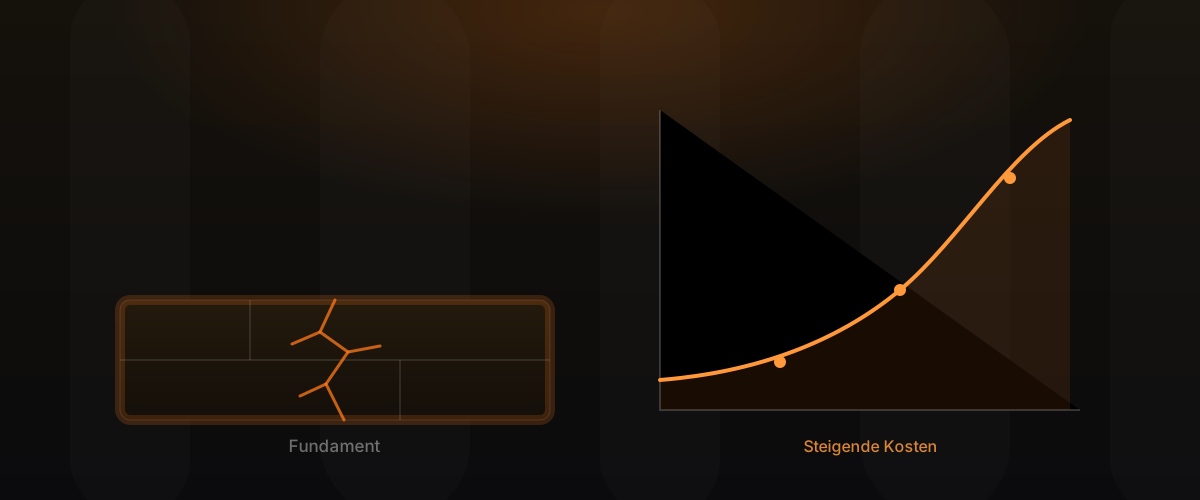
Technical debt sounds like a developer-only concern, but it's a very real business cost. How it accrues, the interest it charges and how to pay it down without rebuilding everything.
A ready-made shop platform or a custom build? When a SaaS platform like Shopify is the right call, when a custom or headless build pays off, and how to honestly compare the total cost over time.
Every extra second of load time costs an online shop revenue. Why speed acts directly on conversion, cart abandonment and earnings, which levers matter and how to make the effect measurable.
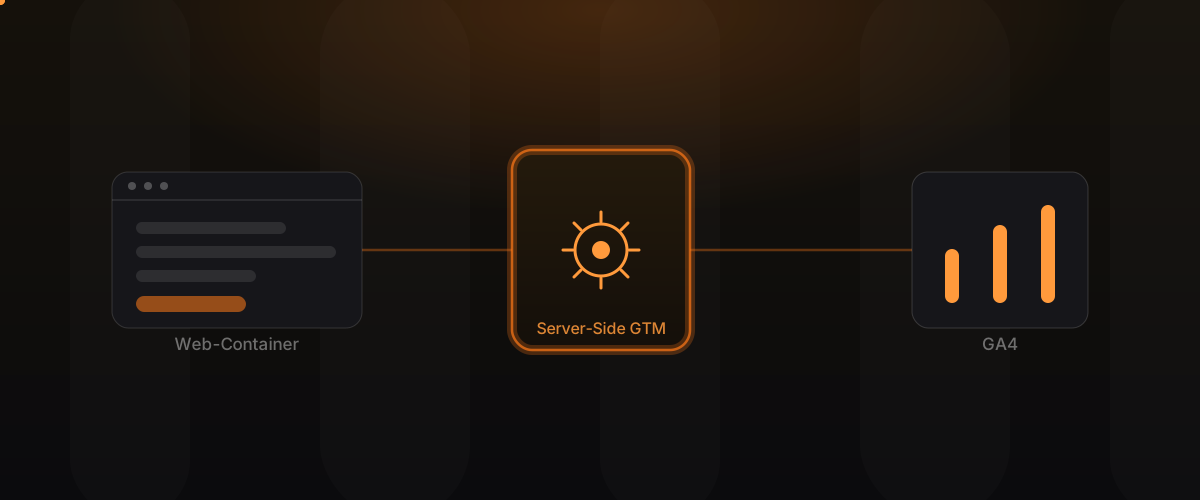
Server-side tracking only delivers reliable data when GA4 and the server-side Google Tag Manager work cleanly together. What a solid setup looks like, explained step by step.
Pricing model and billing decide revenue, growth and daily effort. Which models exist, what they imply technically, and why billing is a product feature, not an afterthought bolted on at the end.
Old systems become a risk over time: nobody understands them any more, changes take forever, security holes stay open. Why a full rewrite usually fails and how to replace a legacy system step by step without halting operations.
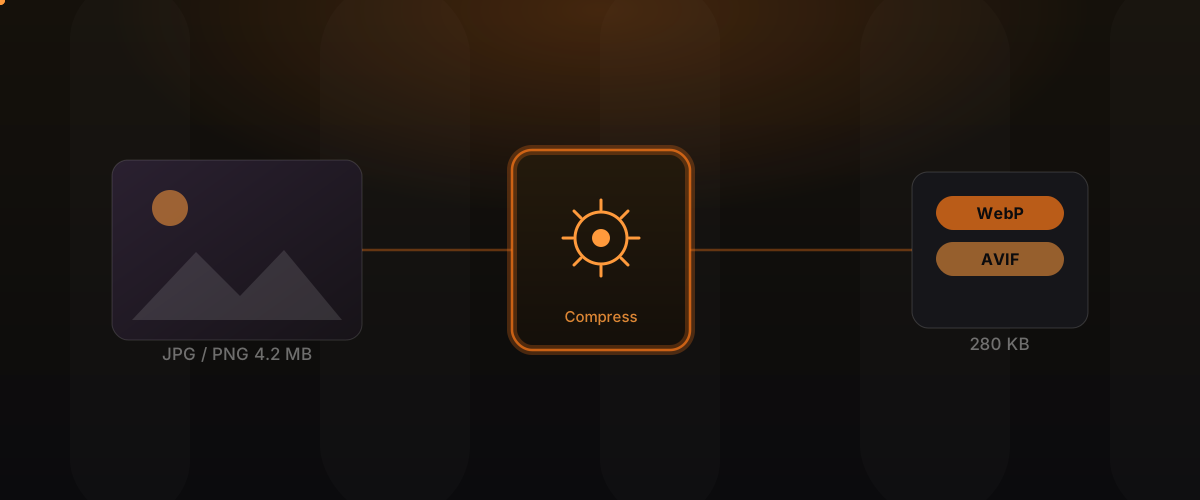
Images are the most common cause of slow websites. How modern formats, responsive delivery, lazy loading and a CDN improve your loading time, Core Web Vitals and conversion, and what can be automated.
Serving many customers from one platform sounds simple, but it's an architecture decision with a long shadow. Why multi-tenancy is hard to retrofit, which isolation models exist, and when you need it from the very start.
Most monitoring is either too noisy or too quiet. What you should actually monitor, how to avoid alert fatigue, and why good monitoring pays directly into uptime and trust.
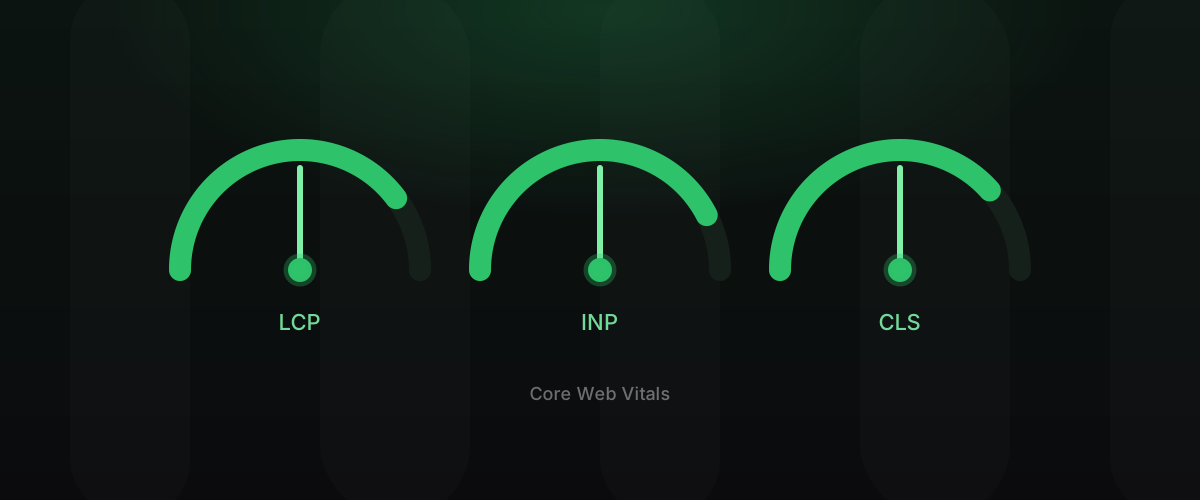
Core Web Vitals are an official ranking factor and a direct lever for conversion. This article explains LCP, INP and CLS in plain terms, shows concrete levers per metric, and how to prove your success with data.
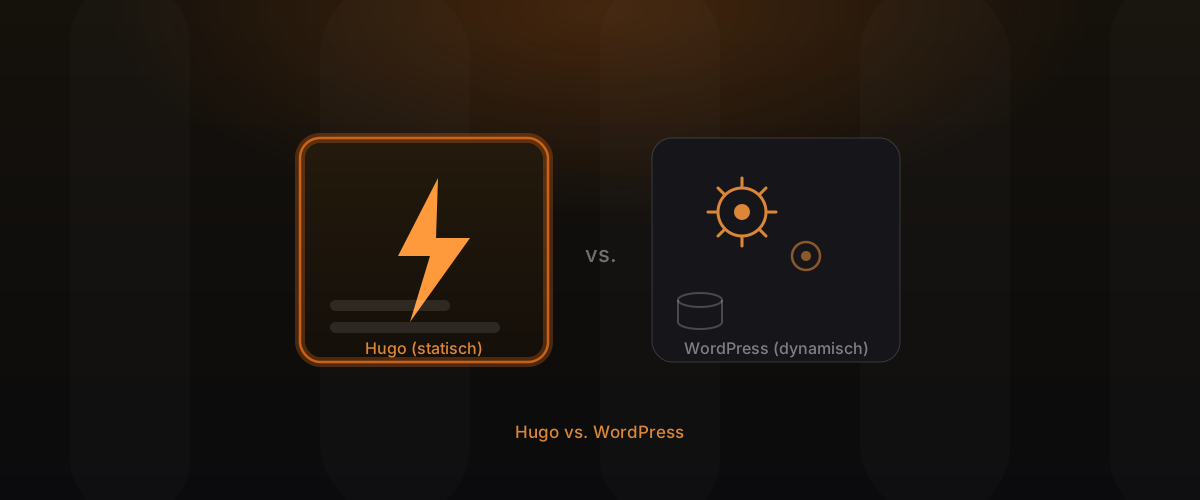
Hugo or WordPress? Instead of a matter of faith, a fair comparison for decision-makers: speed, security, hosting cost, maintenance and editing. Where WordPress genuinely fits, where Hugo wins, and how a headless CMS connects both worlds.
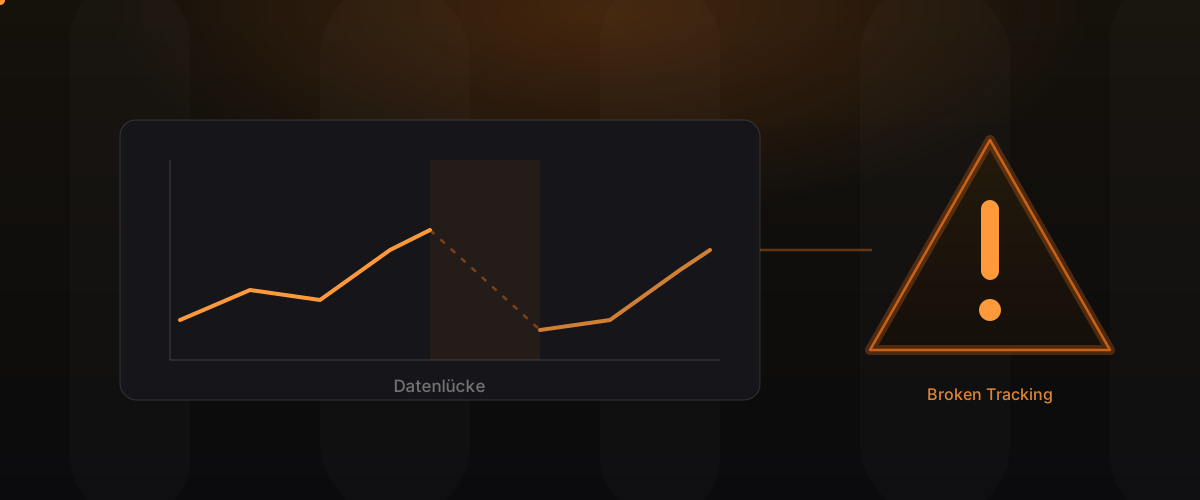
Broken tracking announces itself long before anyone notices. This guide shows the concrete warning signs, how to diagnose them and when a server-side solution is worth it.
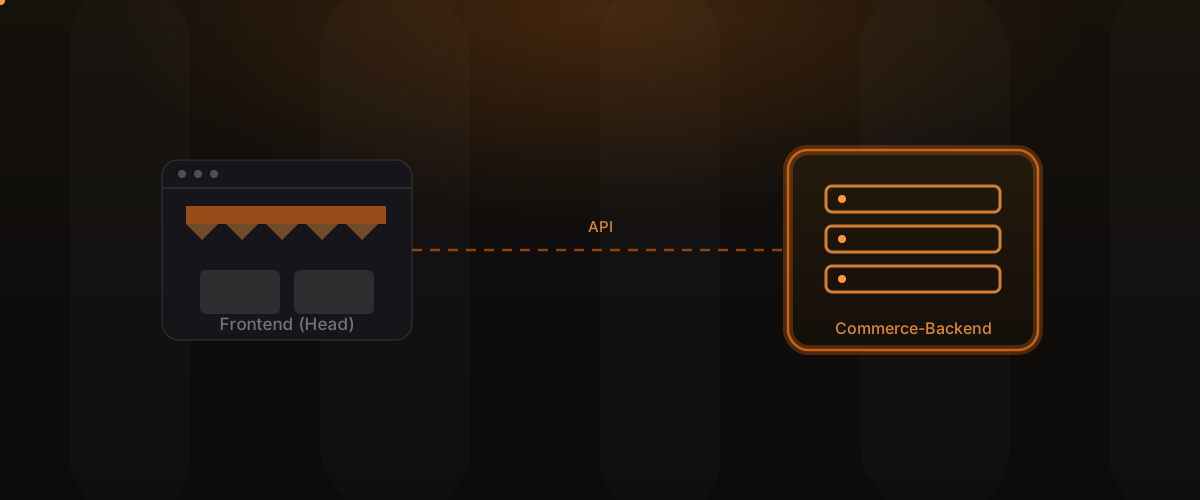
Headless commerce separates the storefront from the shop backend. What that means in practice, which benefits and which extra effort it brings, and when the approach is worth it compared with a classic all-in-one shop.
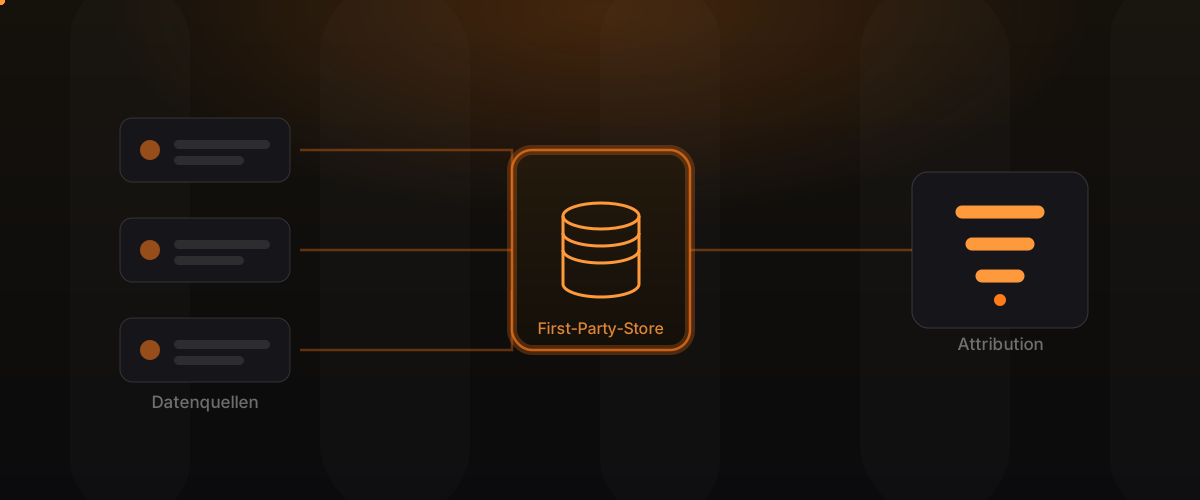
Third-party cookies are disappearing, consent narrows what you can collect, and attribution drifts into guesswork. This article explains what first-party data is, why it matters now, and how to get attribution you can actually trust.
Use a page builder yourself or hire professionals? An honest decision framework for businesses: when a builder is fine, when it costs you money, what is really more expensive over time and where the sensible middle ground lies.
A good customer portal lightens the support load and strengthens loyalty. What a portal is, which building blocks are essential, and when a portal turns into a full web app.
Build it yourself or buy a ready-made tool? The answer decides cost, speed and dependency. A clear framework that separates core differentiator from commodity, instead of choosing by gut feeling.
Good integrations take manual work off your team and create a data foundation you can trust. What a clean API looks like, which approaches exist and when building your own pays off.
Static Hugo websites are faster, safer and cheaper to run than most page builders. What that means for Core Web Vitals, SEO, security and your conversions, and when Hugo is the right choice.
Shiny new frameworks are tempting, but reliability usually wins. Why a proven tech stack fails predictably, stays maintainable and makes your project faster and cheaper in the long run.
Browser-based tracking loses more and more data to ad blockers, cookie limits and consent. This guide explains server-side tracking from the ground up: how it works, the benefits, GDPR and implementation.
An MVP should be small, not sloppy. How to radically focus the scope without sacrificing the foundation, and build a product that carries the next years instead of needing a rebuild after the first success.
The most painful software problems start in the data model. Why care at the start pays off many times over, how to recognise a model that lasts, and how to fix a bad one.
Reliability isn't luck, it's method. The unglamorous routines that keep software stable, from automated deployments and sensible monitoring to deliberately planning for the worst case.
Something went wrong. Please try again or email info@rheinwork.com.
You'll shortly receive a confirmation email. We usually get back to you within 24 hours.